Otto Schmidt · 16 September 2026
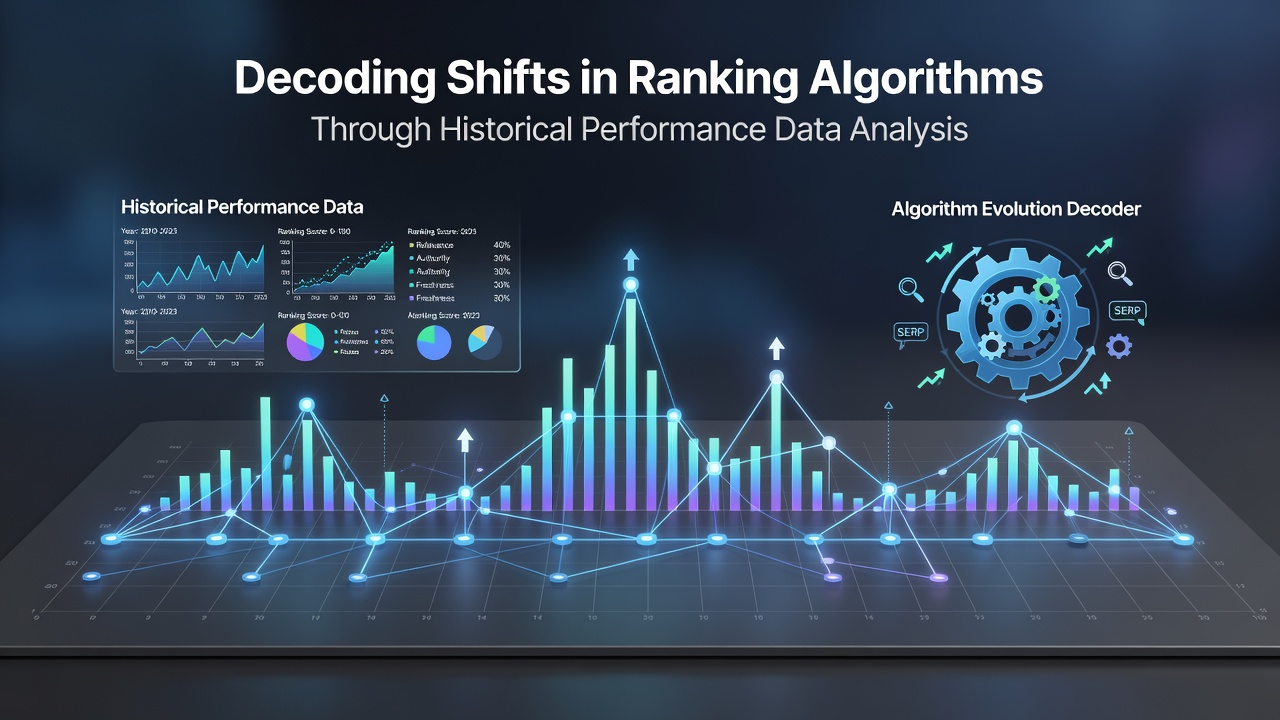
Decoding Shifts in Ranking Algorithms Through Historical Performance Data Analysis
Search engines and digital platforms update ranking algorithms regularly, and analysts track these changes by examining historical performance data from websites and applications across different industries. Researchers compile metrics such as click-through rates, dwell times, and position shifts from public datasets and industry reports to identify patterns that emerge over months or years. This approach allows observers to connect specific algorithm adjustments with measurable outcomes in user engagement and content visibility without relying on real-time speculation.
Collecting and Preparing Historical Datasets
Data analysts gather performance records from sources including web analytics tools, search console exports, and archived snapshots that span several update cycles, and they clean these records to remove anomalies caused by temporary outages or seasonal traffic spikes. Teams then align the cleaned data with known algorithm update dates released by platform operators, which creates timelines that reveal how ranking signals such as page speed, content freshness, and backlink quality have gained or lost influence. Studies from institutions like the Massachusetts Institute of Technology have demonstrated that structured historical datasets improve the accuracy of retrospective modeling when compared with isolated snapshots.
Preprocessing steps often include normalizing metrics across different reporting periods and converting raw position data into relative change scores, and these transformations help researchers isolate the effects of individual ranking factors. Organizations in the European Union have published guidelines on data handling practices that support consistent analysis across multiple jurisdictions, while similar frameworks from Australian regulatory bodies emphasize transparency in performance reporting.
Identifying Patterns in Algorithm Behavior
Once datasets are prepared, statistical techniques such as regression analysis and time-series decomposition highlight correlations between ranking changes and specific performance variables, and these methods show whether a shift represents a gradual evolution or a sudden reweighting of signals. Observers note that certain updates appear to prioritize mobile-first indexing while others emphasize user experience signals like core web vitals, and historical comparisons allow teams to quantify the magnitude of each adjustment across thousands of domains. One study revealed that pages maintaining consistent content updates experienced smaller position fluctuations during major rollouts compared with static sites.
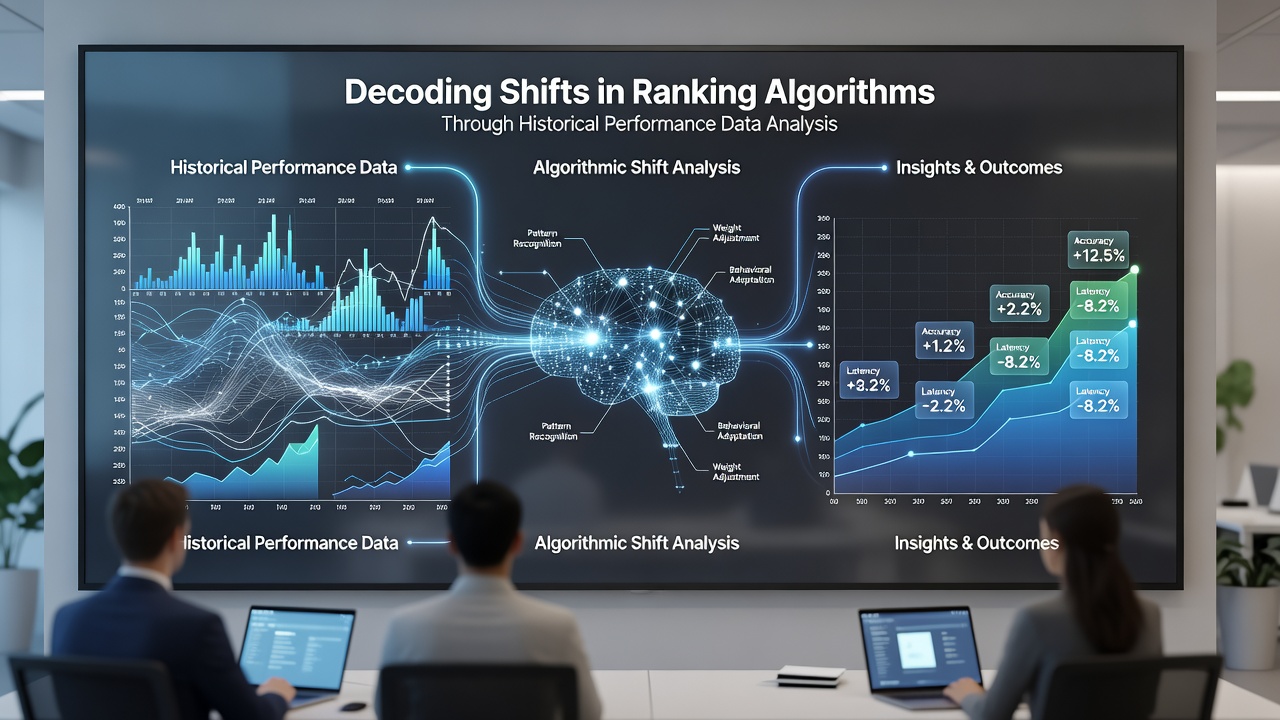
Clustering algorithms applied to historical records group domains by similar response patterns, which helps analysts categorize the types of sites most affected by particular updates, and this segmentation supports more targeted investigations into ranking logic. Data from 2025 through September 2026 indicates that e-commerce platforms and news outlets responded differently to the same set of signal adjustments, illustrating how vertical-specific factors interact with core ranking systems.
Validating Insights Against External Events
Analysts cross-reference performance timelines with external events such as regulatory announcements, infrastructure changes, and competitor actions to test whether observed ranking movements stem from algorithm shifts or outside influences, and this validation step reduces false attributions. Reports from Canadian government agencies on digital market dynamics provide additional context for understanding how policy changes intersect with platform behavior, and academic papers frequently supply controlled experiments that isolate individual variables. Teams that incorporate these external benchmarks achieve higher confidence when attributing causality in complex ranking environments.
Applying Findings to Future Monitoring
Organizations use validated historical models to build monitoring frameworks that flag potential ranking shifts in near real time, and these systems compare current metrics against established baselines derived from past cycles. Continuous refinement of the models occurs as new data arrives, which allows the detection frameworks to adapt when platforms introduce incremental or major updates. Evidence suggests that entities maintaining long-term historical archives gain advantages in anticipating how ranking signals may evolve, because prior patterns often repeat under similar conditions.
Conclusion
Historical performance data analysis provides a structured method for decoding ranking algorithm shifts by connecting measurable outcomes with documented platform changes, and the process relies on careful data preparation, statistical pattern recognition, and external validation. As platforms continue to refine their systems, access to extended historical records remains essential for accurate interpretation of ranking dynamics across industries and regions.